
Paper Patterns: Tracing Enid Gilchrist through Ephemera
Who was Enid Gilchrist?
Enid Gilchrist (1917 – 2007) was a popular Melbourne fashion and pattern designer, educator, entrepreneur and celebrated columnist whose work shaped home dressmaking for more than three decades.
Her influence was widespread. Her patterns appeared weekly in The Argus and later New Idea from 1946 through to the 1970s. She authored an extraordinary 66 pattern collection magazines, distributed nationally via newsagents and overseas, with sales reaching into the millions.
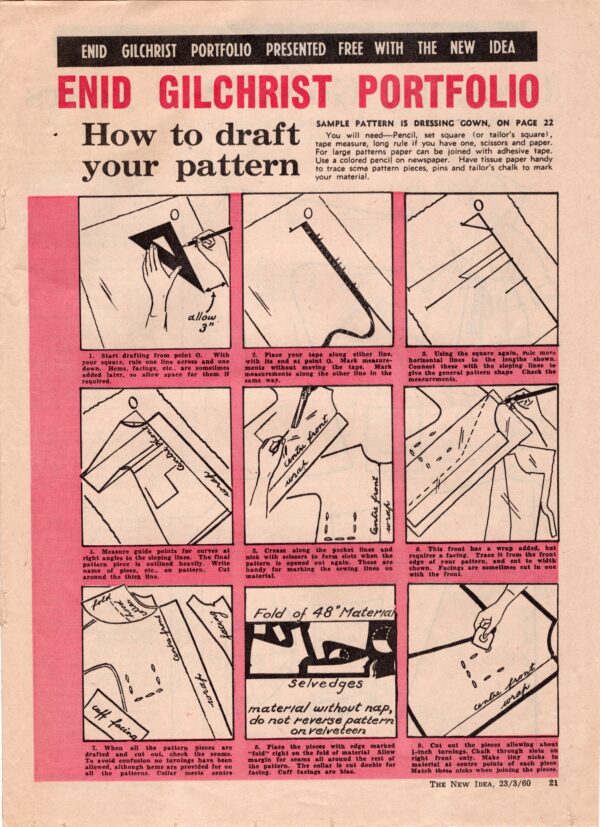
Enid developed an easy pattern-drafting system, using simple equipment, empowering generations of people to sew and create for themselves.
Her designs reflected contemporary fashion trends while responding to the changing needs of growing families. She designed clothing for all ages, from babies to adults, as well as homewares, doll clothes and accessories.
Enid championed money-saving through DIY, reusing resources and designing garments that could be altered, adapted and worn across several seasons and years.
Enid Gilchrist OAM taught Australia to sew.
Despite her prominence and achievements,
Enid’s story has become largely lost to history.Her work has received little scholarly recognition and there is no known publicly accessible complete collection of her publications.
Meet Enid Gilchrist OAM Project
In an effort to redress this imbalance, the Society for the Advancement of Everyday Visionaries and Makers (SAEVM) is bringing Enid’s story and achievements to light.
SAEVM is researching, documenting and promoting the life and work of Enid Gilchrist and charting her role and influence in Australian fashion, domestic arts and sewing, and social history.
A prime resource for researching and sourcing information about Enid Gilchrist is – Ephemera.
The Argus newspaper and New Idea magazine, pattern leaflets, pull-outs from magazines, packaged paper dress patterns, correspondence, Enid’s published pattern books and, contemporary competing women’s magazines are all being mined for information and research leads.
Dating Enid’s pattern books
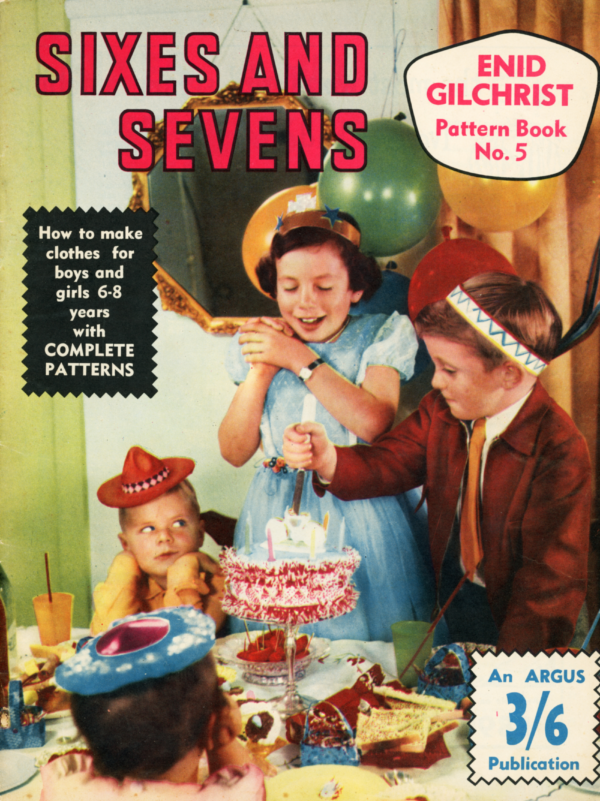
The 65 commercially published pattern books (and their many reprints and revisions) do not contain publication dates.
Cataloguing and dating the Enid Gilchrist publications is a major research task being undertaken using the State Library of Victoria’s (SLV) Argus newspaper and New Idea magazine collections.
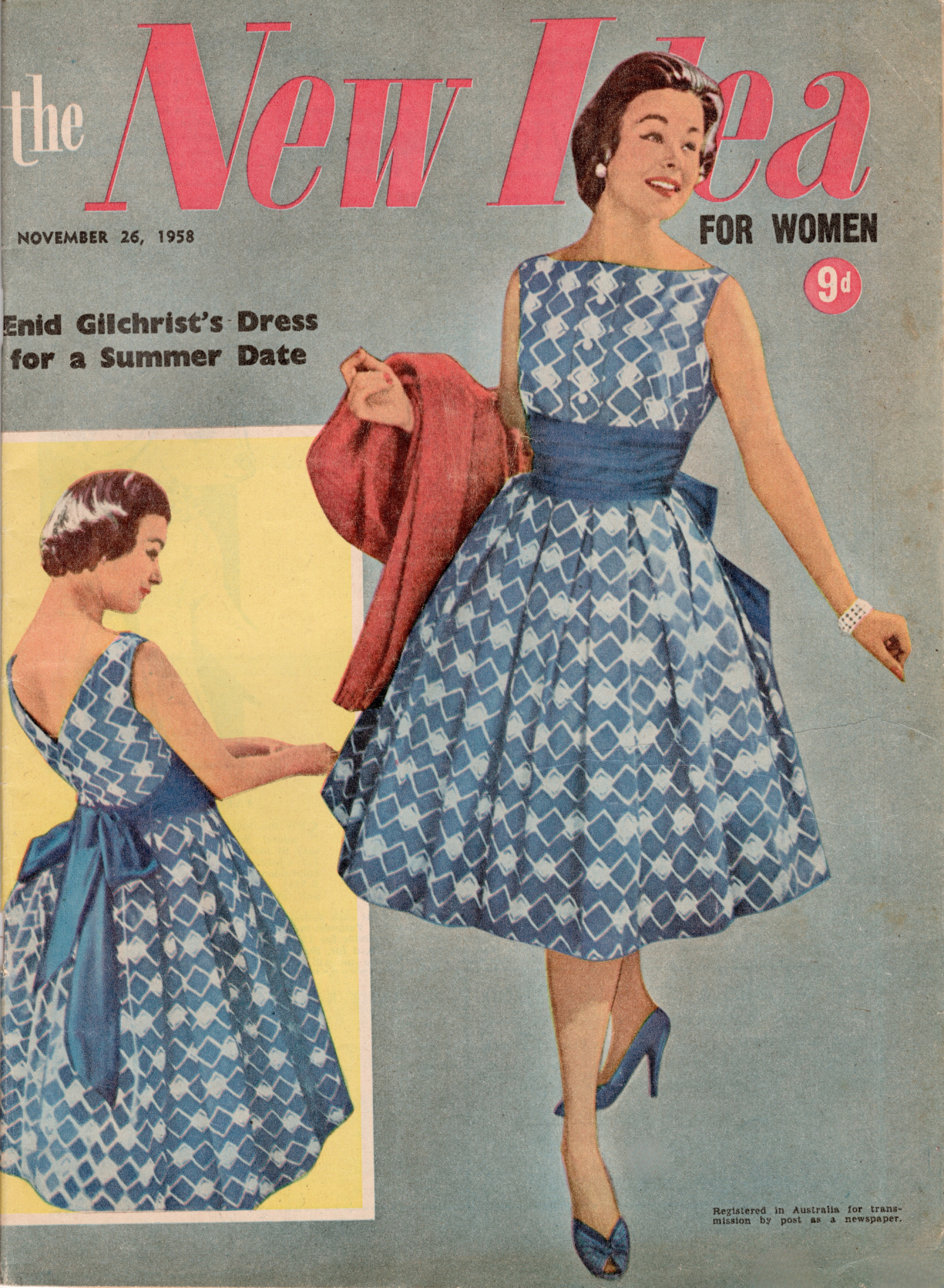
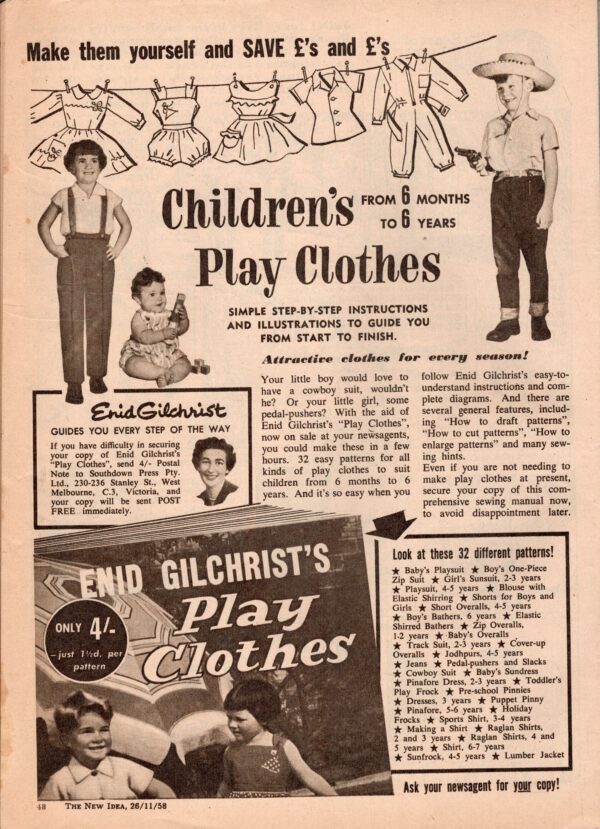
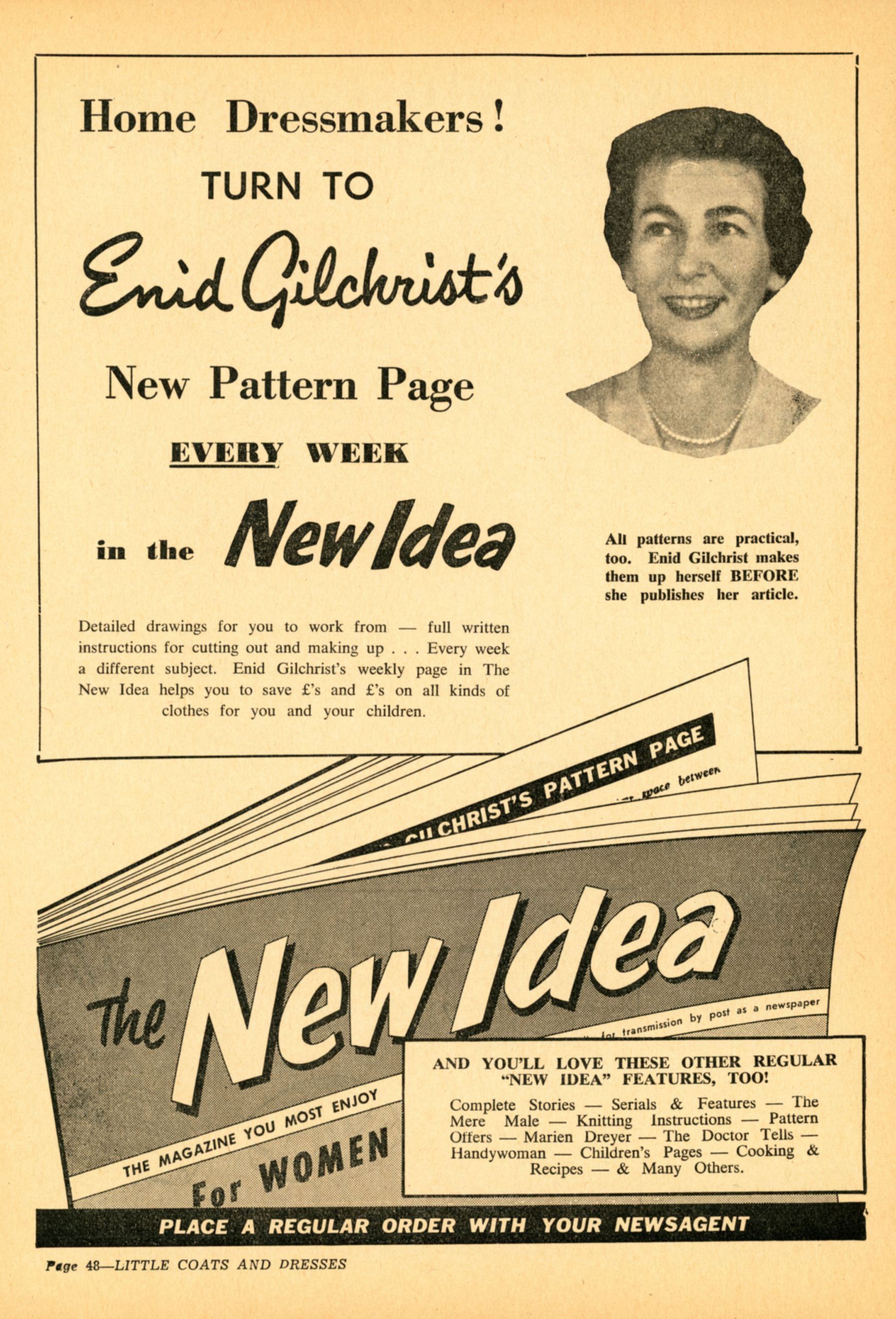
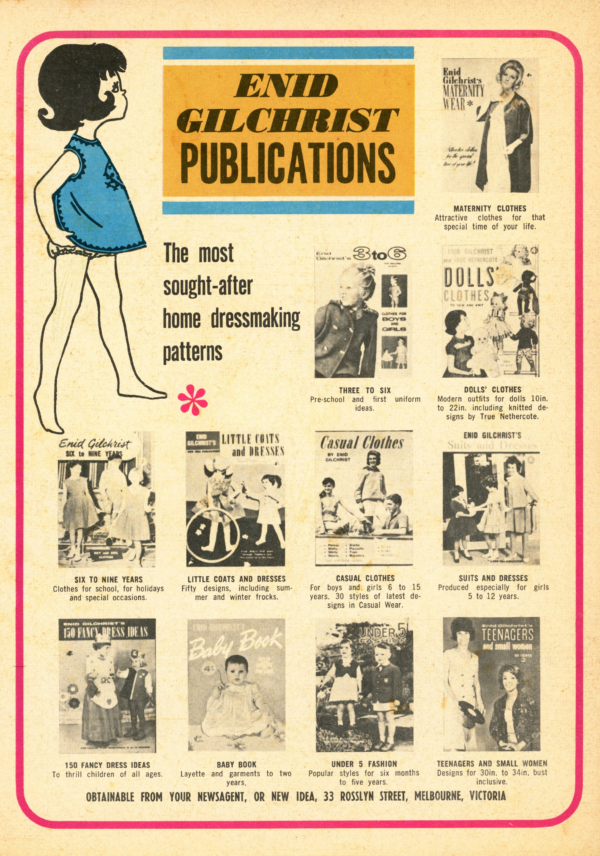
Both The Argus and New Idea featured regular Enid columns with pattern instalments, together with advertisements for forthcoming pattern books. These are very useful sources for narrowing (and ideally confirming) the pattern book publication dates.
Finding Enid the person
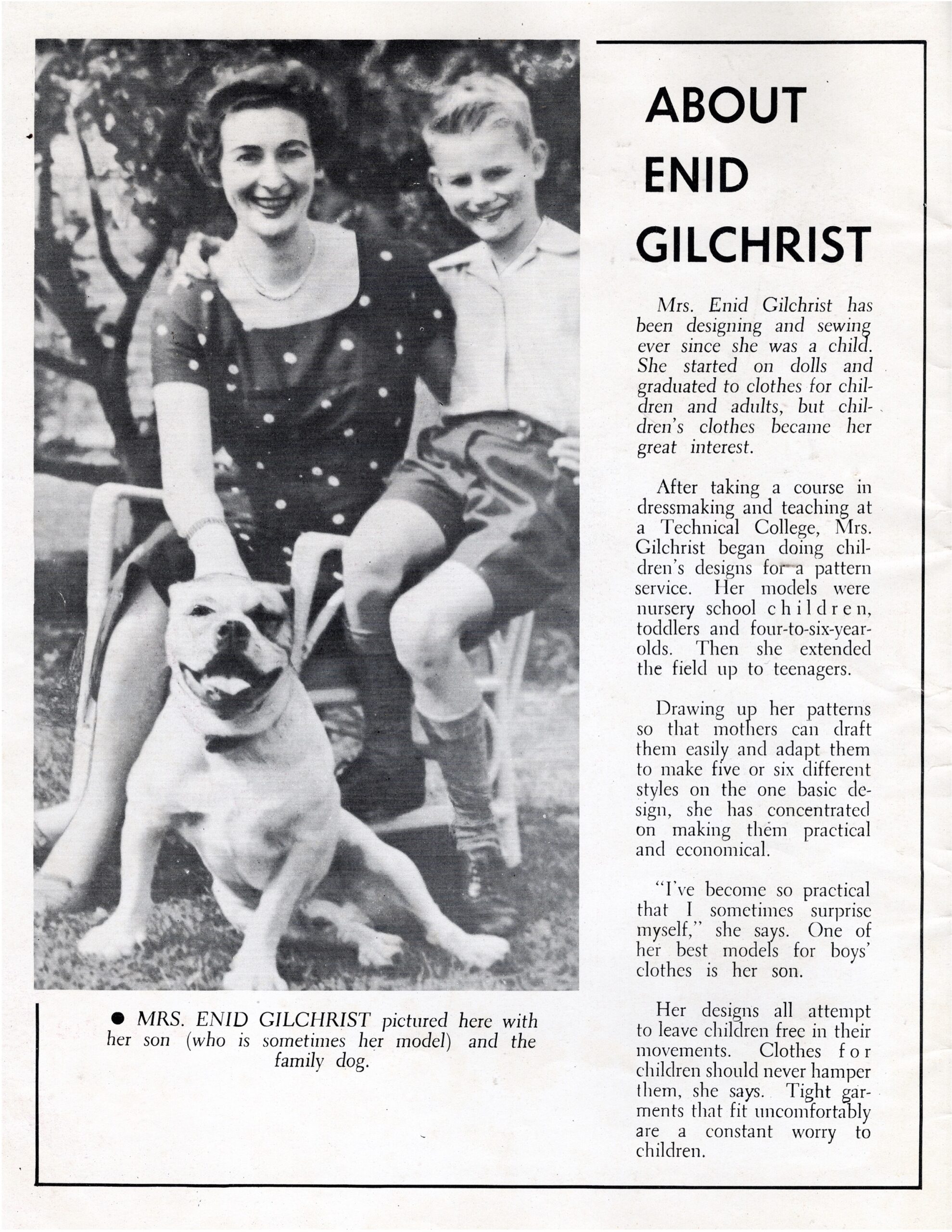
Both The Argus and New Idea magazine also provide windows into the woman behind the brand. Personal snippets about Enid and her life appear. Her tone and voice in the columns gives a sense of Enid and her philosophies – she is reassuring, upskilling homemakers and building confidence.
Enid worked for New Idea for almost two decades. Her position and promotion within the contents page and body of the magazine is an indicator of Enid’s popularity and relevance but it also reflects much about the evolution of shopping and fashion trends, national and family economics and the changing nature of home crafts and sewing.
I’ve become so practical that I sometimes surprise myself” she says. One of her best models for boys clothes is her son.
Pattern leaflets
Pattern leaflets with complete Enid designs and instructions (rather than waiting for the weekly instalments) were available via a Stamp Addressed Envelope (SAE). These patterns and envelopes appear periodically and there is a selection of the leaflets in the State Library Victoria. The pattern instructions, sewing tips and large format page layouts are fascinating visual and research documents.
Early design work
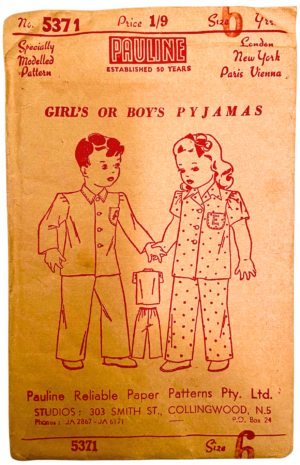
Examples of Enid’s early designs can be found among the patterns she created at Pauline Reliable Paper Patterns. Some patterns and envelopes can be attributed to Enid because they feature her distinctive handwriting, notations and illustrative style.
While working at Paulines, Enid developed the Standardised Infant’s Wardrobe, an important contribution to children’s clothing design.
Pattern Books – an untapped ephemera timeline
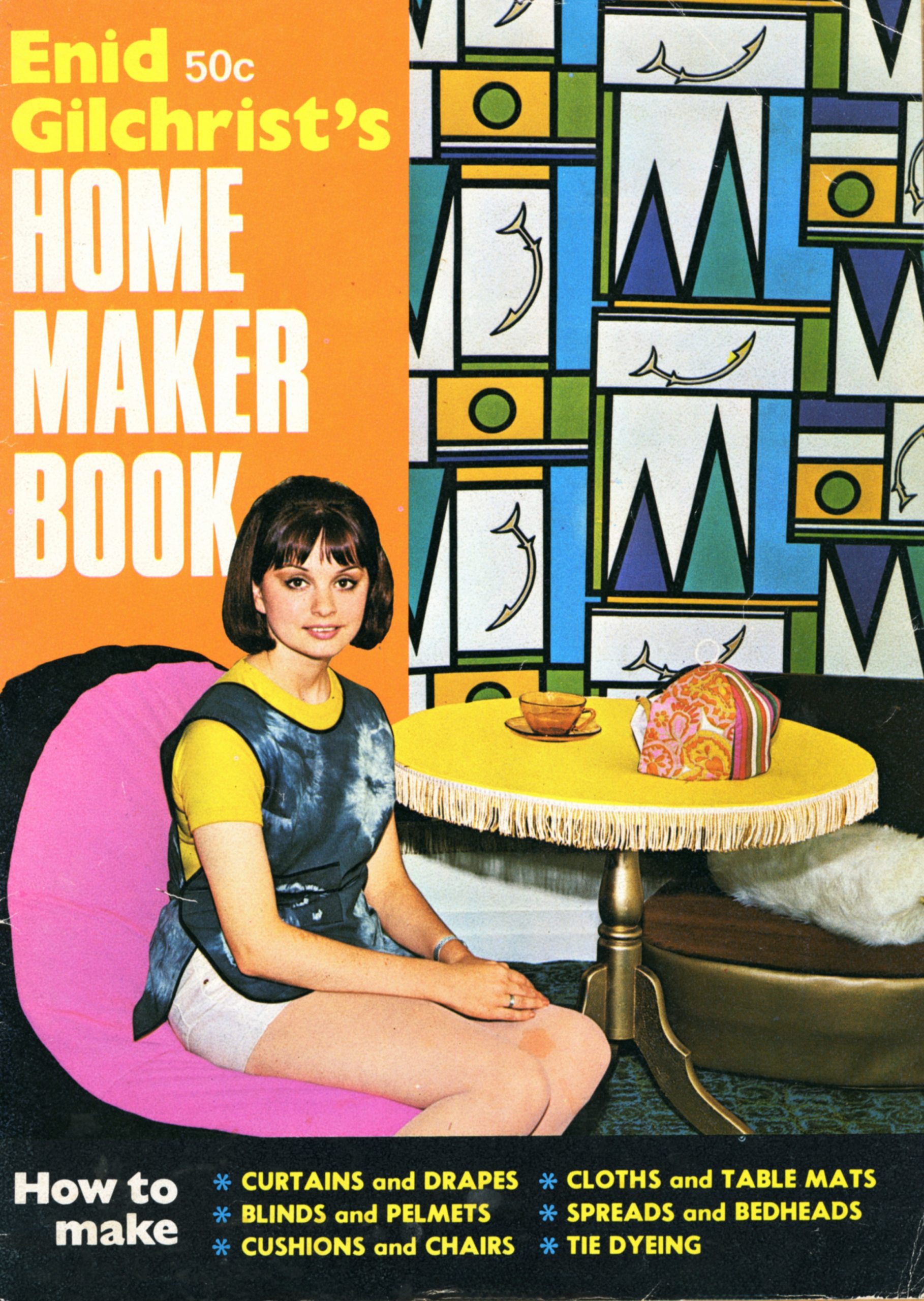
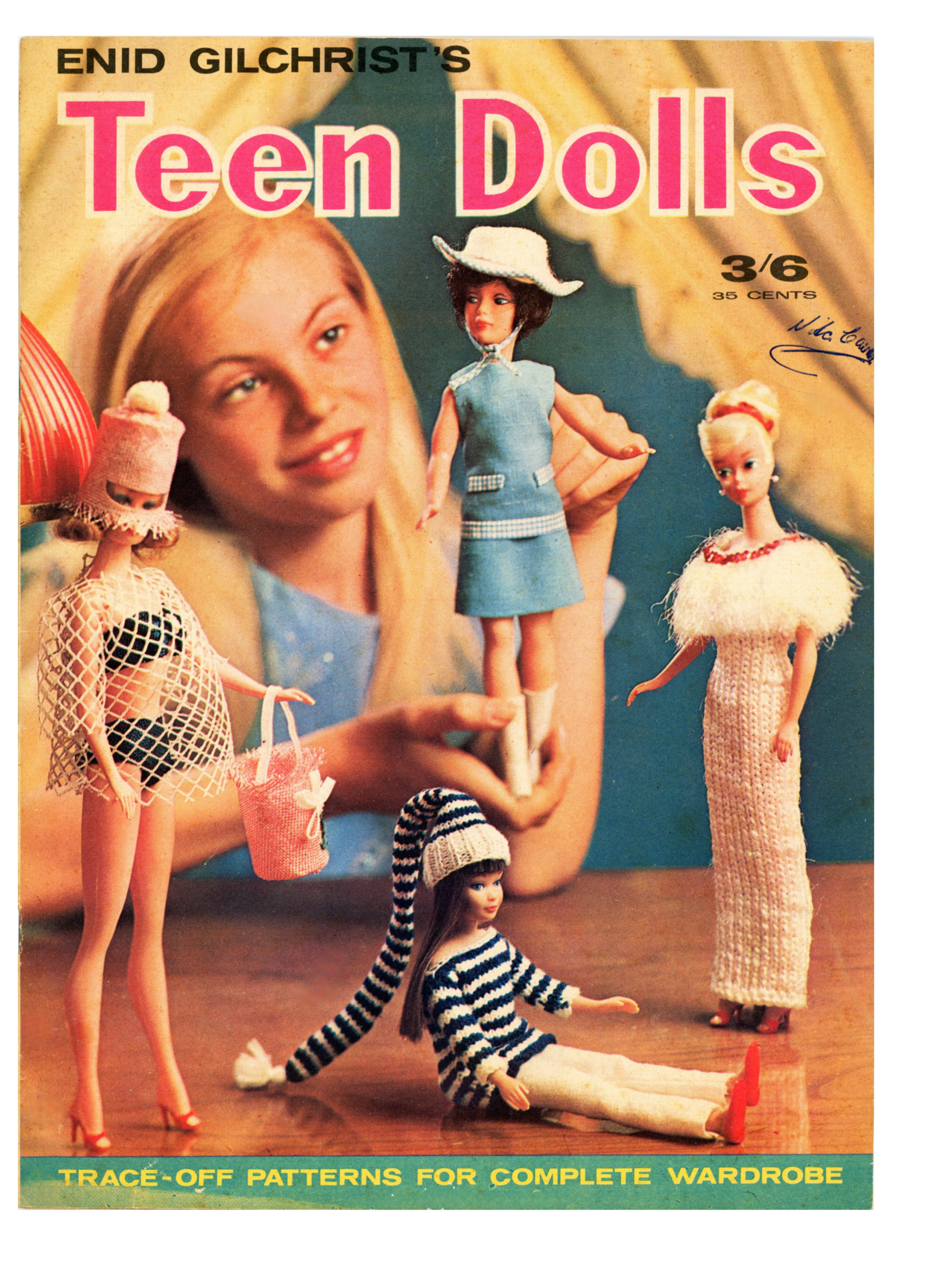
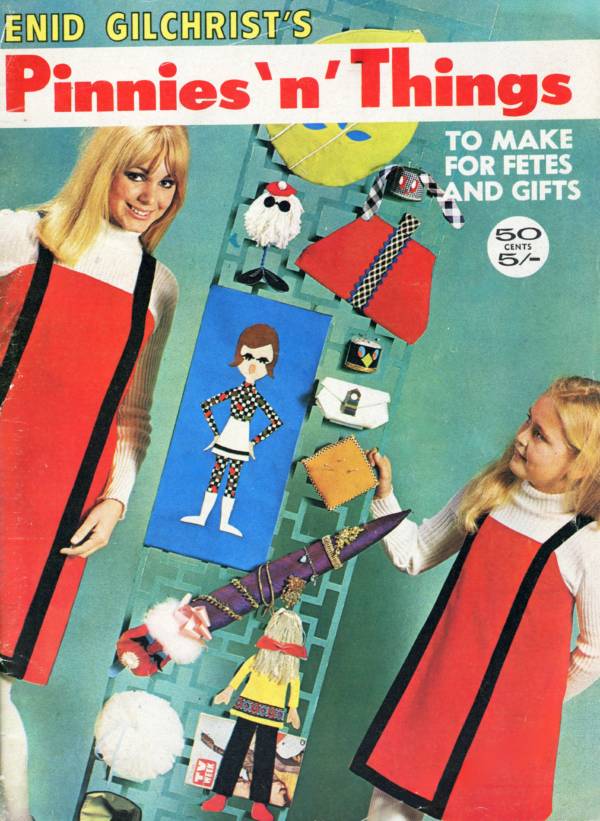
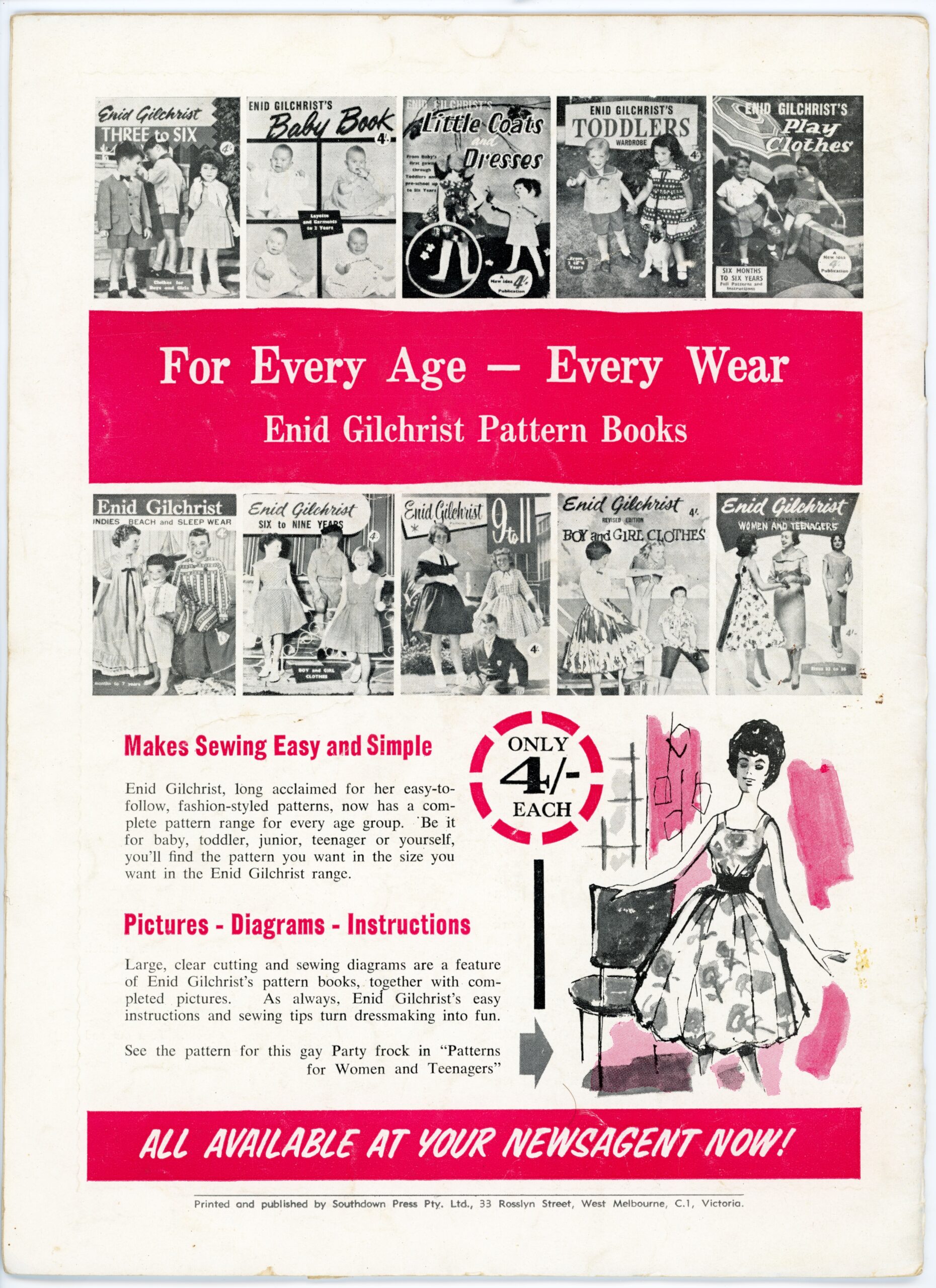
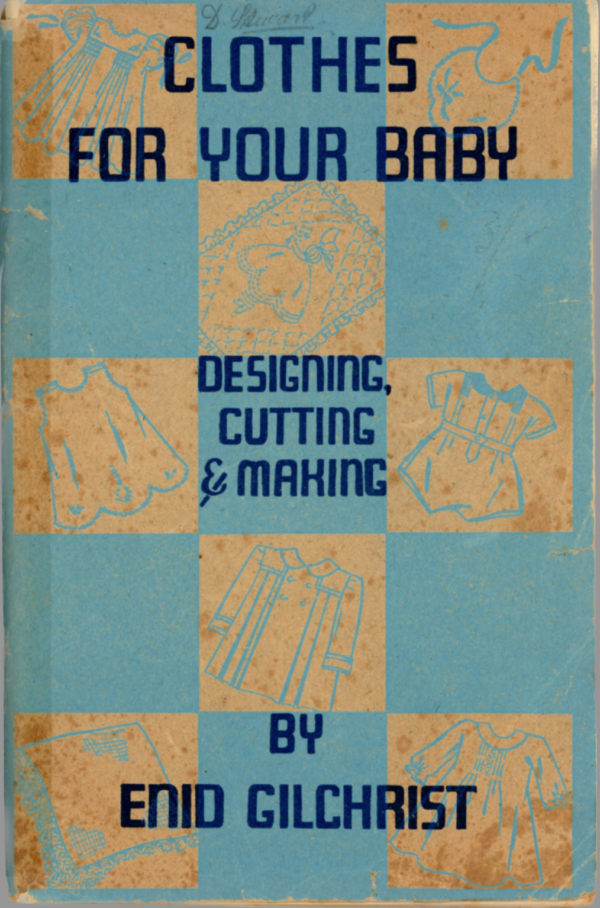
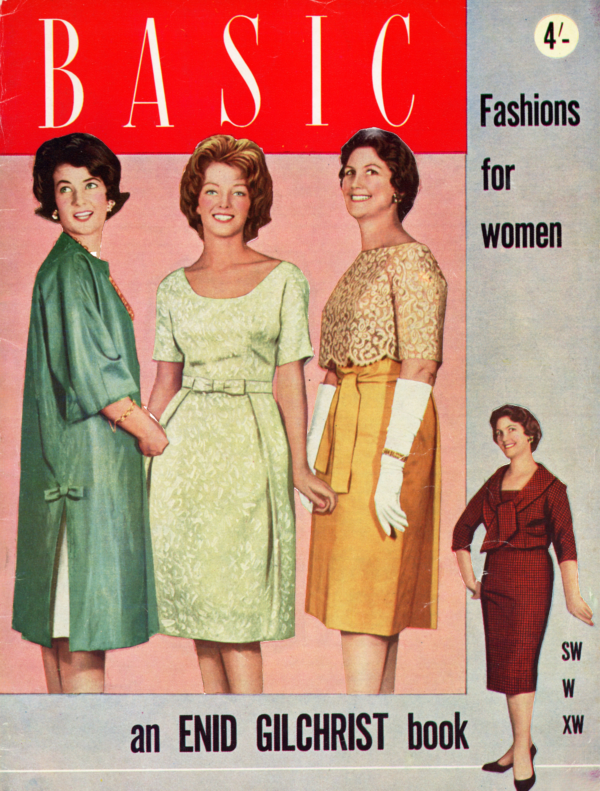
Thirty years of consecutively published pattern books are an untapped and rich repository. They are a visual and written timeline of changing Australian life, global influences, local sewing and needlework supply businesses, evolving fashion and graphic design styles. Several titles were reprinted up to five times and variations include new patterns, copy, photographs and different advertisements.
Enid’s family and friends assisted by modelling the garments that were photographed, designing front covers, preparing copy and pattern designs.
Studying the magazines wholistically, there are evident stylistic, layout and illustrative differences. Fashion designer Mary Smith was Enid’s close friend and sister-in-law, and her input is evident in the adult women and craft publications.
Together with their invaluable content, the magazines provide a window into the world of home sewing. Many magazines collected have a name on the front cover and several contain cut out pattern pieces. Women using Enid’s pattens drafted them onto large paper found to hand. Enclosed pattern pieces have been found cut from newspaper, white paper, Christmas and gift wrap and computer printout sheets.
People also assembled scrapbooks of Enid’s weekly patterns and retained collections of the pattern leaflets.
Collections of magazines, patterns and scrapbooks have been passed down through generations and favourite family patterns are still being used today to create items for following generations.
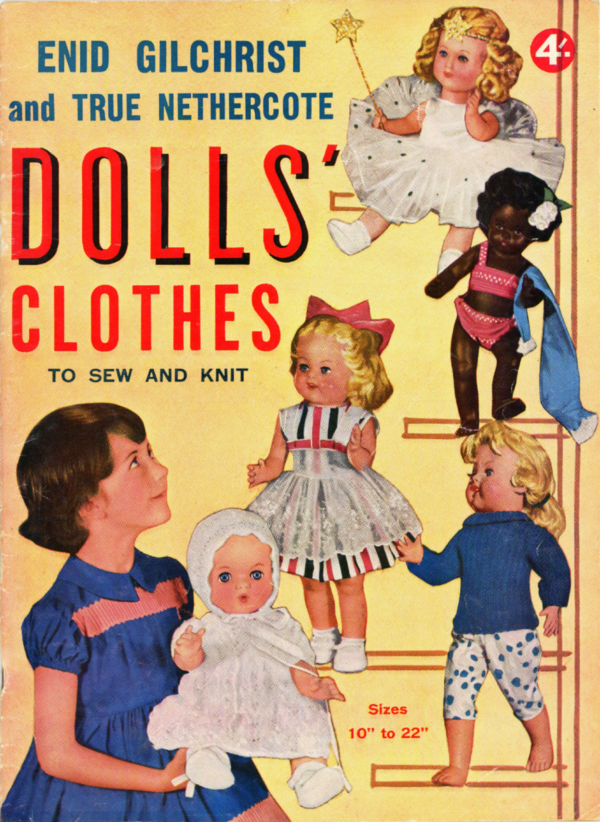
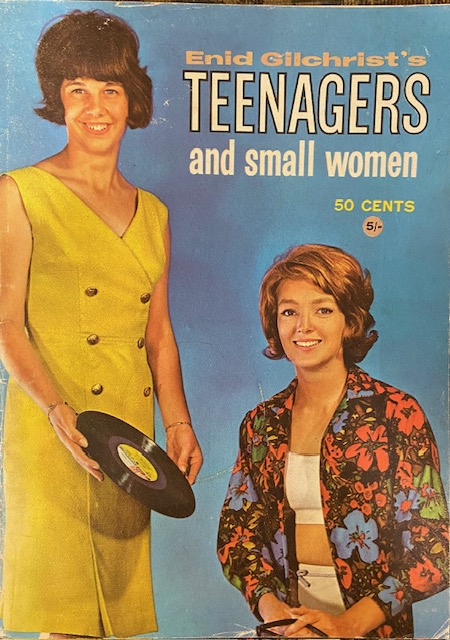
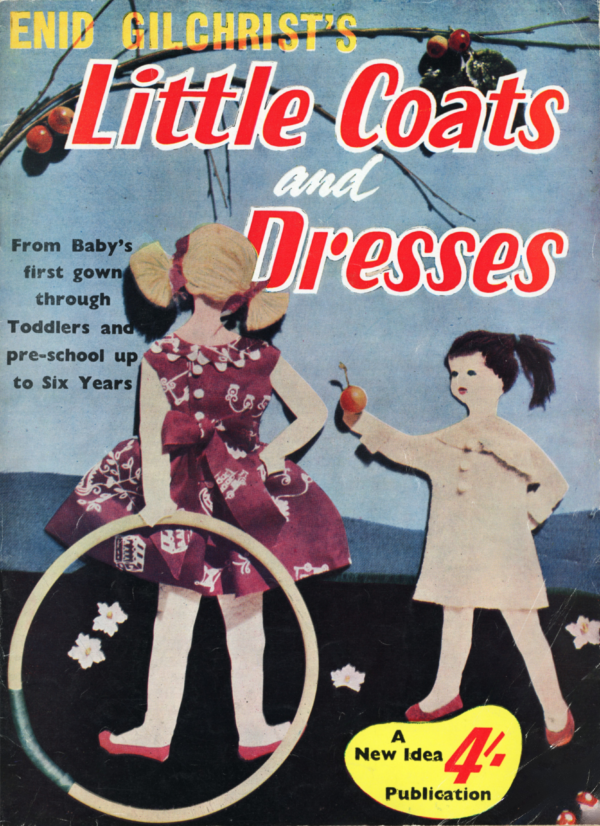
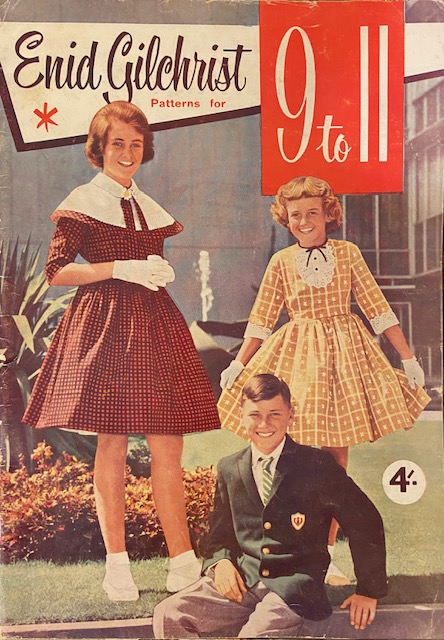
Discovering the woman behind the brand – stitching together Enid Gilchrist’s story
Early Years – Enid Smith
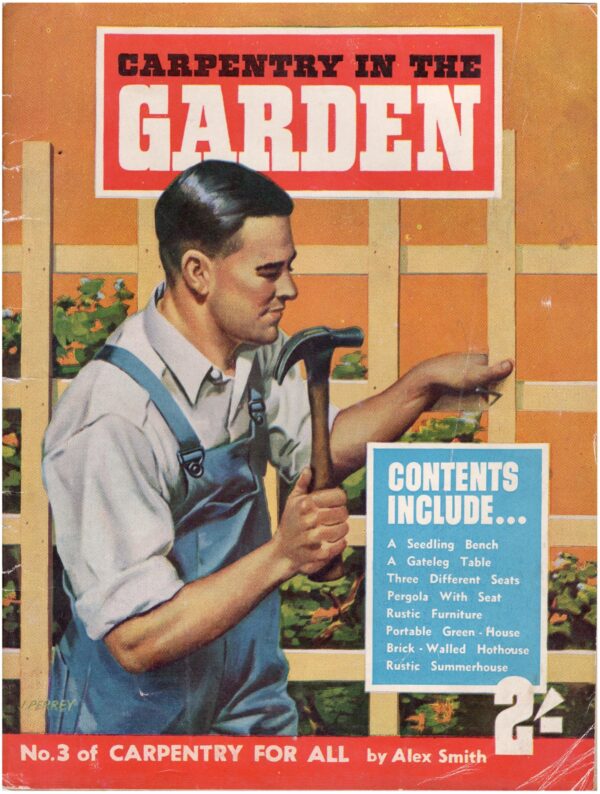
Young Enid Smith grew up in the Melbourne suburb of Thornbury, in a creative family of makers and designers. Her father Alex Smith was the Head of Carpentry at RMIT and pioneered DIY home carpentry books and articles for The Australian Home Beautiful. As a teenager, Enid had her doll clothes patterns published in the Melbourne Heraldnewspaper. Enid graduated from Preston Girls Secondary school at 15 years of age, too young for university, she enrolled in a new course at Melbourne Technical College (now known as RMIT), the inaugural Dress Design course.
Two years later, Enid was appointed by the Executors of Pauline Reliable Paper Patterns as the company designer. She worked at the company for ten years and developed the Standardised Infant’s Wardrobe, an important contribution to children’s clothing design.
Enid also taught night classes at Emily McPherson College and Footscray Technical College. She met Mary Maxwell at Footscray and the pair formed a close friendship and working relationship. This later became a family connection when Mary married Enid’s brother, Jack Smith. (NB Fashion designer, teacher and innovator Mary Smith was a similarly remarkable local achiever, and her story is also being researched)
Marriage, baby and a booming career
At age 27, Enid married Sapper Roy Gilchrist. Roy had trained as a commercial artist and was a photographer. He worked at The Argus newspaper. The following year, 1946, they had baby Neil.
Enid designed Neil’s layette and realised that the patterns could be drawn to scale and printed in a magazine format for sharing.
Other women may like the [designs] and it would save money in buying patterns
Roy took the idea to The Argus, as they were introducing a weekly women’s magazine section. Enid’s first pattern column appeared on 6 March 1946. And, continued until 1957.
Enid also produced and self-published her first pattern book in 1947. She visited the needlework section in Myer Melbourne with her book, clothing samples and baby Neil. The head of the department was impressed and enthusiastic – a window display followed and, within a week or so, the entire edition had sold out.
This initial publication led to a successful publishing career with The Argus and then New Idea. Enid produced 65 more publications, together with untold revisions and reprints. The pattern books were distributed via newsagents and were available from the publishers. The books were distributed nationally and internationally in New Zealand, Eastern India, Hong Kong and the Philippines and Enid’s following extended to Britain, Uganda, Malaysia, the USA and Ceylon.
A local celebrity and a quiet achiever
A working mother, Enid balanced family life with a remarkable creative career.
Their Heidelberg home, designed by her architect brother Ted, became both a family house and design studio.
Surrounded by other young families, Enid developed a network of local neighbours and friends who modelled for the magazines. She later employed local women to assist her with aspects of the business as it grew and grew ….
Together with her design work and regular weekly columns, Enid also supported charities through fashion parades, demonstrations and pattern designs.
Enid was a popular public personality with a mass following. In the 1960s, she was receiving, and answering, 100s of letters each week. Her books and patterns were, and continue to be, passed down through generations. And, she was immortalised in popular culture as the designer of Edna Everage’s wedding gown and the attendants’ ensembles.
Enid is an unsung innovator, an everyday local achiever whose story has become largely lost to history.
Help Wanted – Help shine a spotlight on Enid Gilchrist OAM and her achievements
We are searching for additional information on Enid Gilchrist and her business and charitable works.
Do you have ephemera, stories or leads to assist with this project?
Are you able to assist with any of the following:
Do you have any correspondence to or from Enid Gilchrist?
Did you assist with her business? Model for the magazines or the charity fashion parades?
Do you own any of Enid’s sewing samples made for the publications and parades?
Did you meet Enid Gilchrist?
Local newspaper articles and/or clippings about charity events linked to Enid?
Do you have Enid Gilchrist sewing or personal stories to share? Did you or members of your family make or wear Enid Gilchrist patterns?
Do you have a sewing scrap book, pattern leaflets, garments, pattern pieces, photographs?
Do you have any of the clothing, dolls clothes or accessories made from the patterns?
We’d love to hear from you. Please contact SAEVM info@saevm.org.au or contact us via the Comments Box.
Sources
Enid Gilchrist pattern books, The Argus newspaper, New Idea magazine, pattern leaflets, RMIT Archives, Smith family recollections and correspondence, anecdotes and recollections from sewers and pattern users.
Dr Annette Shiell for SAEVM, 2026.